



When patients come to see me about liposuction or body contouring, they are usually thinking about shape. That is entirely reasonable: these are aesthetic procedures, and improving how a person looks and feels in their body is a legitimate and worthwhile goal. What most patients do not know, however, is that a growing body of scientific evidence suggests the benefits of surgical fat removal may extend well beyond the cosmetic. The removal of subcutaneous fat, the fat that sits just beneath the skin, it turns out, may have meaningful consequences for metabolism, insulin sensitivity, and cardiovascular risk.
Fat as an endocrine organ
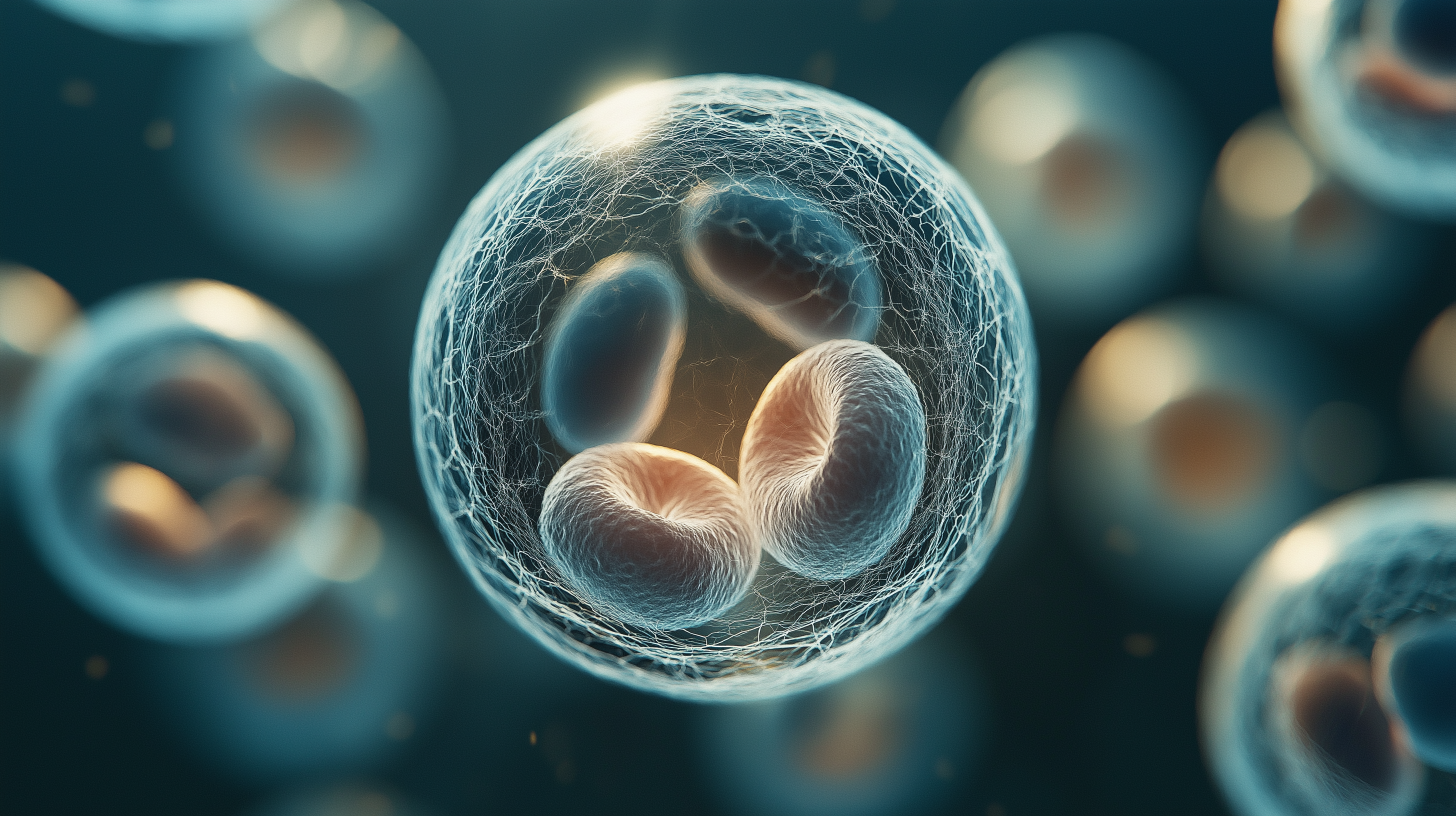
To understand why, it helps to appreciate that fat is not simply a passive store of energy. Adipose tissue, the medical term for body fat, is an active endocrine organ, meaning it secretes hormones and chemical messengers that influence the body’s sensitivity to insulin, its handling of fats in the bloodstream, and its inflammatory state. When fat accumulates in excess, particularly in the abdominal region, it becomes starved of oxygen and dysfunctional, releasing pro-inflammatory compounds and suppressing adiponectin, a hormone that plays a central role in keeping the body responsive to insulin. The result is a state of low-grade systemic inflammation and metabolic dysregulation that underpins type 2 diabetes, abnormal blood lipids, high blood pressure, and cardiovascular disease.
This raises an obvious question. If excess fat beneath the skin contributes to metabolic dysfunction, does its surgical removal produce measurable metabolic benefit?
What the evidence says
For much of the past two decades, the answer appeared to be no, or at least not consistently. A frequently cited study by Klein and colleagues reported that even large-volume liposuction produced no significant improvement in insulin sensitivity, inflammatory markers, or cardiovascular risk factors. That finding cast a long shadow over the field.
More recently, however, high-quality meta-analytic work, in which the results of many individual studies are pooled and analysed together to give a more reliable overall picture, has begun to challenge that conclusion. Research from our group, published in the Journal of Plastic, Reconstructive and Aesthetic Surgery, applied dose-response meta-analysis to the question of whether surgical fat removal produces metabolic change, and found that it does. The data demonstrated that insulin sensitivity, the ability of the body’s cells to respond normally to insulin and regulate blood sugar, improved progressively following surgical fat removal, with the magnitude of benefit related to the volume of fat removed. Fasting insulin and HOMA-IR, a standard blood test used to measure insulin resistance, fell in a dose-dependent fashion, meaning the more fat removed, the greater the improvement. Importantly, this work distinguished surgical fat removal from non-surgical modalities, with a parallel meta-analysis confirming that the metabolic response is specific to surgical excision and aspiration rather than a generic consequence of any fat reduction technique.
A further study from our group addressed the methodological question of how to accurately measure body composition changes following subcutaneous fat removal. Using bioelectrical impedance analysis, a safe and non-invasive technique that passes a small electrical current through the body to estimate fat and muscle mass, we demonstrated that it reliably detects changes in body fat after these procedures, providing a practical tool for both clinical monitoring and future research in this field.
The hormonal picture
Two additional papers from our research programme, published in Biomolecules and Biomedicine in 2025, add a further layer of complexity. These studies examined the hormonal determinants of what might be termed the “lean phenotype” and the “insulin-sensitive phenotype,” meaning the hormonal profiles that predict whether a person is likely to be naturally lean or naturally responsive to insulin, independent of their body weight. This work matters for surgical fat removal because it helps clarify why some individuals derive greater metabolic benefit than others from the same procedure, and points toward a more personalised approach to patient selection and outcome prediction.
The visceral fat caveat
Intellectual honesty requires acknowledging an important limitation. Liposuction removes subcutaneous fat selectively: that is, the fat beneath the skin rather than the fat that surrounds the internal organs deep within the abdominal cavity. This deeper fat, known as visceral fat, shows the strongest correlation with insulin resistance and metabolic disease. Surgical fat removal does not directly target it. Indeed, some studies have raised the possibility that subcutaneous fat removal may be followed by compensatory accumulation of visceral fat in patients who do not maintain an active lifestyle. The implication is that the metabolic benefits of surgical fat removal are most likely to be durable in patients who combine the procedure with appropriate diet and exercise habits, rather than treating surgery as a standalone metabolic intervention.
What this means in practice
None of this changes the fundamental nature of what liposuction and body contouring are: aesthetic procedures, performed on patients who wish to look and feel better. But the science increasingly suggests that, in appropriately selected patients, the benefits of these operations may be broader than a change in silhouette. For patients who are overweight, insulin-resistant, or at elevated cardiometabolic risk, the conversation about body contouring surgery may legitimately include a discussion of metabolic health outcomes alongside aesthetic goals.
This is an evolving field. The dose-response relationship between fat removal and metabolic improvement, the role of patient hormonal phenotype in determining outcomes, and the long-term durability of metabolic benefit all require further investigation. What is no longer defensible, however, is the reflexive assumption that surgical fat removal is merely cosmetic. The biology does not support it.